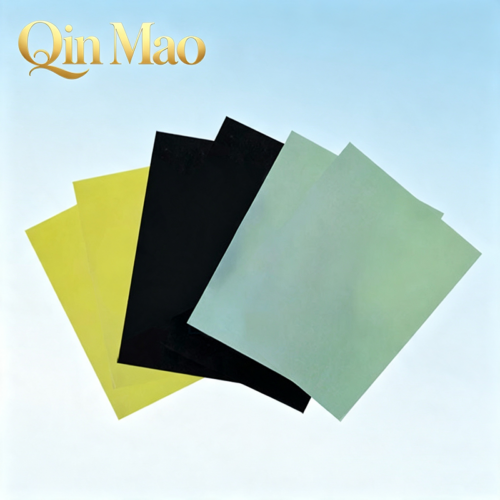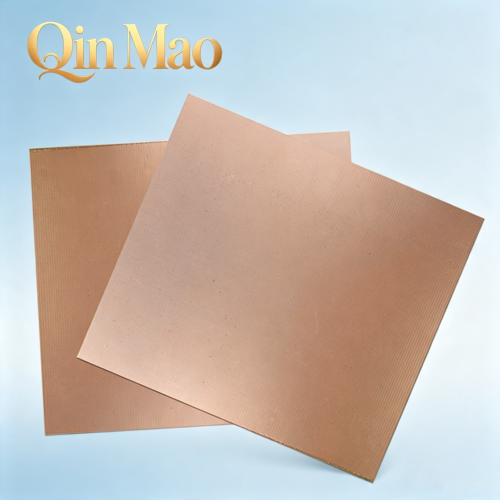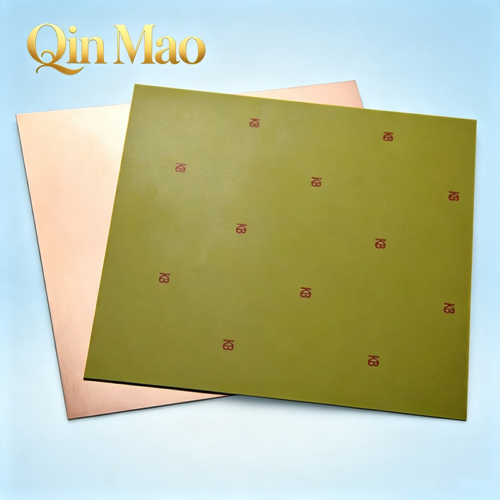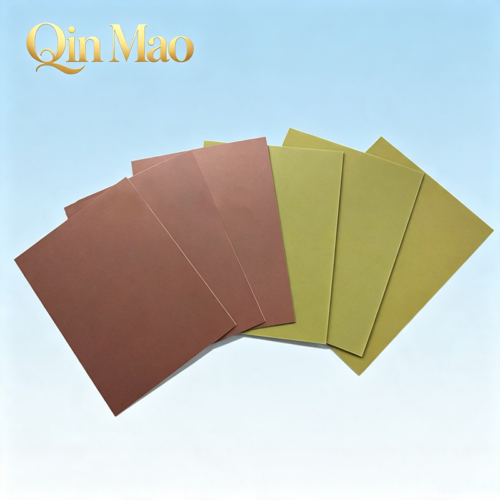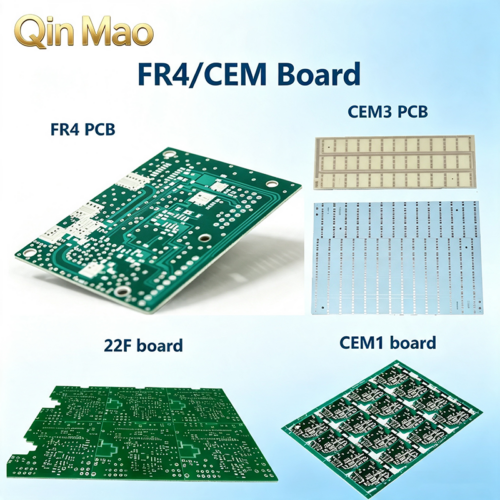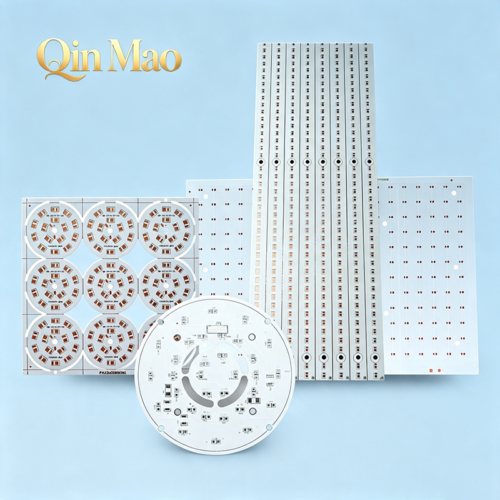

FR-4 Copper Clad Laminate (FR-4 CCL) is one of the most widely used base materials in the printed circuit board (PCB) industry. It provides a reliable combination of electrical insulation, mechanical strength, thermal performance, and flame resistance, making it suitable for a wide range of electronic and electrical applications.
For PCB manufacturers, electronics engineers, and purchasing professionals, understanding the structure, properties, specifications, and applications of FR-4 CCL is important when selecting the right material for PCB production.
In this guide, we will explain what FR-4 CCL is, how it is made, its key properties, common specifications, applications, and how to choose the right FR-4 copper clad laminate for your project.
What Is FR-4 CCL?
FR-4 CCL stands for FR-4 Copper Clad Laminate.
It is a composite material made primarily from woven fiberglass cloth impregnated with epoxy resin, with one or both sides covered by a layer of copper foil.
The fiberglass provides mechanical strength and dimensional stability, while the epoxy resin provides electrical insulation and bonding. The copper foil forms the conductive layer that is later processed during PCB manufacturing to create circuit patterns.
A typical FR-4 CCL structure can be simplified as:
Copper Foil → FR-4 Insulating Layer → Copper Foil
For single-sided applications, copper may be present on only one side:
Copper Foil → FR-4 Insulating Layer
During PCB fabrication, the copper layer is etched and processed to form conductive traces, pads, and other circuit features.
What Does “FR-4” Mean?
The term FR-4 generally refers to a flame-retardant glass-reinforced epoxy laminate system.
The “FR” stands for Flame Retardant, while “4” identifies a specific material classification within the relevant laminate standard system.
FR-4 is not simply one single chemical formula. Different FR-4 laminate products can have different resin systems, glass styles, thermal characteristics, dielectric properties, and other performance specifications.
Therefore, when purchasing FR-4 CCL, it is important to look beyond the name “FR-4” and confirm the actual technical specifications required for the PCB application.
How Is FR-4 Copper Clad Laminate Made?
The manufacturing process of FR-4 CCL involves several important stages.
1. Fiberglass Preparation
Woven glass fiber cloth is used as the reinforcement material. Different glass cloth styles can be selected depending on the required thickness and mechanical characteristics.
2. Resin Impregnation
The fiberglass cloth is impregnated with epoxy resin. The resin system provides electrical insulation and bonds the fiberglass layers together.
3. Prepreg Formation
The resin-impregnated glass fabric is partially cured to form prepreg.
Prepreg is an important material used in multilayer PCB construction.
4. Lamination
The required layers of fiberglass and resin are stacked and laminated under controlled temperature and pressure.
5. Copper Foil Bonding
Copper foil is laminated onto one or both sides of the insulating core to produce the copper clad laminate.
6. Inspection and Quality Control
The finished CCL is inspected for important parameters such as thickness, copper thickness, appearance, dimensional stability, electrical properties, and other customer-specific requirements.
Key Properties of FR-4 CCL
FR-4 CCL is popular because it offers a balanced combination of electrical, mechanical, thermal, and manufacturing properties.
1. Excellent Electrical Insulation
FR-4 provides good electrical insulation between conductive layers. This makes it suitable for conventional PCB designs used in electronic equipment and electrical products.
2. Good Mechanical Strength
The woven fiberglass reinforcement gives FR-4 excellent mechanical strength and dimensional stability compared with many non-reinforced insulating materials.
This is especially important when PCBs need to maintain their shape during manufacturing, assembly, and operation.
3. Flame Retardancy
Flame-retardant characteristics are one of the important reasons FR-4 is widely used in electronic products.
However, the exact flame-retardant performance should be confirmed according to the specific material grade and applicable certification requirements.
4. Good Thermal Performance
FR-4 can withstand the thermal conditions involved in many conventional PCB manufacturing and soldering processes.
For applications involving particularly high operating temperatures, however, engineers should evaluate the laminate’s specific thermal characteristics rather than selecting material based only on the FR-4 designation.
5. Good Dimensional Stability
The glass-fiber reinforcement helps reduce dimensional changes and provides good stability during PCB fabrication.
This is particularly useful for multilayer PCB manufacturing and applications requiring relatively precise dimensions.
6. Good Processing Performance
FR-4 is compatible with many standard PCB manufacturing processes, including drilling, routing, plating, imaging, etching, and soldering.
Its widespread adoption also means that PCB manufacturers are generally familiar with processing FR-4 materials.
Common FR-4 CCL Specifications
FR-4 CCL is available in many different specifications. The correct specification depends on the PCB design and manufacturing process.
Common purchasing specifications include:
| Specification | Description |
|---|---|
| Laminate Type | FR-4 |
| Board Thickness | For example, 0.8 mm, 1.0 mm, 1.2 mm, 1.6 mm, etc. |
| Copper Thickness | For example, 18 μm, 35 μm, 70 μm, etc. |
| Copper Sides | Single-sided or double-sided |
| Panel Size | Customized according to PCB production requirements |
| Resin System | Standard or high-performance system |
| Thermal Performance | Selected according to application requirements |
| Electrical Properties | Selected according to PCB design |
| Flame Retardancy | According to required standard/material grade |
When requesting an FR-4 CCL quotation, providing complete specifications can help suppliers prepare a more accurate price and production assessment.
What Is the Difference Between FR-4 CCL and FR-4 PCB?
These two terms are related but refer to different stages of PCB production.
FR-4 CCL is the raw laminate material used to manufacture a PCB.
FR-4 PCB is the finished printed circuit board manufactured using FR-4 CCL.
For example:
FR-4 CCL → PCB Fabrication → Finished FR-4 PCB
The CCL provides the basic insulating substrate and copper layer, while the PCB manufacturing process transforms the CCL into a functional circuit board.
Where Is FR-4 CCL Used?
FR-4 CCL is widely used in electronic and electrical products.
Typical applications include:
- Consumer electronics
- LED lighting
- Computer and IT equipment
- Industrial control equipment
- Power electronics
- Communication equipment
- Automotive electronics
- Household electrical appliances
- Industrial electronics
- General-purpose electronic devices
Because FR-4 offers a good balance between cost, performance, and manufacturability, it is commonly selected for standard and medium-complexity PCB applications.
How to Choose the Right FR-4 CCL?
Choosing FR-4 CCL should be based on the actual PCB requirements rather than simply selecting the lowest-priced material.
Here are several important factors to consider.
1. Board Thickness
The required laminate thickness should match the PCB design.
Common thickness requirements vary depending on the application, PCB structure, mechanical requirements, and customer specifications.
2. Copper Thickness
Copper thickness affects current-carrying capability, resistance, heat generation, and PCB manufacturing requirements.
Common copper foil thicknesses include 18 μm, 35 μm, and 70 μm, although other specifications are also available.
3. Single-Sided or Double-Sided
The PCB design determines whether single-sided or double-sided copper clad laminate is required.
4. Thermal Requirements
If the PCB will operate under elevated temperatures or demanding thermal conditions, the laminate’s thermal properties should be carefully evaluated.
5. Electrical Requirements
For high-frequency or high-speed applications, standard FR-4 may not always be the most appropriate choice. Dielectric constant, dissipation factor, signal loss, and other high-frequency properties may need to be considered.
6. PCB Manufacturing Process
The selected laminate should be compatible with the PCB manufacturer’s processes, including drilling, plating, lamination, soldering, and other fabrication requirements.
7. Quantity and Panel Size
For commercial PCB production, panel dimensions and purchasing quantity can also affect material utilization, production efficiency, and overall cost.
FR-4 CCL vs. Other PCB Materials
FR-4 is not the only material used for PCB production.
Depending on the application, manufacturers may also use:
- Aluminum CCL – commonly used for applications requiring good heat dissipation, such as LED lighting and power electronics.
- CEM-3 CCL – commonly used for certain cost-sensitive PCB applications.
- High-TG FR-4 – designed for applications requiring improved thermal performance compared with standard FR-4.
- High-frequency laminates – used for specialized RF, microwave, and high-speed applications.
- Flexible materials – used for flexible PCB applications where bending and flexibility are required.
Therefore, material selection should be based on the application’s electrical, thermal, mechanical, and manufacturing requirements.
Why Is FR-4 CCL So Widely Used?
The popularity of FR-4 comes from its overall balance of performance and cost.
It provides:
- Good electrical insulation
- Good mechanical strength
- Good dimensional stability
- Flame-retardant characteristics
- Suitable thermal performance for many applications
- Good PCB processing compatibility
- Wide availability
- A broad range of specifications
This combination makes FR-4 CCL a practical material for a large number of conventional PCB applications.
What Information Should You Provide When Buying FR-4 CCL?
If you are requesting an FR-4 CCL quotation, providing the following information can help suppliers respond more efficiently:
Material: FR-4
Laminate Thickness: ___ mm
Copper Thickness: ___ μm
Copper Side: Single-sided / Double-sided
Panel Size: ___ mm × ___ mm
Quantity: ___ sheets / panels
Application: ___
Special Requirements: ___
For example:
FR-4 CCL, 1.6 mm thickness, 35 μm copper, double-sided, 1000 × 1200 mm, quantity 500 sheets.
With complete specifications, the supplier can evaluate the material requirement and provide a more accurate quotation.
Frequently Asked Questions About FR-4 CCL
Is FR-4 the same as copper clad laminate?
Not exactly.
FR-4 refers to the glass-reinforced epoxy laminate material system, while FR-4 CCL specifically refers to FR-4 laminate with copper foil laminated onto one or both sides.
Is FR-4 CCL suitable for all PCBs?
No. FR-4 is suitable for a wide range of conventional PCB applications, but specialized applications may require other materials such as aluminum CCL, high-TG materials, high-frequency laminates, or flexible materials.
What copper thicknesses are available for FR-4 CCL?
Common options include 18 μm, 35 μm, and 70 μm, with additional copper thicknesses available depending on the manufacturer and application.
Is FR-4 CCL suitable for LED applications?
FR-4 can be used for many LED PCB applications. However, when high heat dissipation is required, aluminum CCL may be considered because of its thermal management characteristics.
Can FR-4 CCL be customized?
Yes. Depending on the supplier’s production capabilities, specifications such as laminate thickness, copper thickness, panel size, and material performance can be selected according to customer requirements.
Conclusion
FR-4 CCL is one of the most important materials in conventional PCB manufacturing. Its combination of electrical insulation, mechanical strength, flame-retardant characteristics, dimensional stability, and manufacturing compatibility makes it suitable for a wide variety of electronic and electrical applications.
When selecting FR-4 Copper Clad Laminate, buyers should consider more than just price. Laminate thickness, copper thickness, electrical properties, thermal requirements, PCB structure, panel size, quantity, and application should all be evaluated to ensure the selected material meets the actual PCB manufacturing requirements.
If you are looking for FR-4 CCL, Aluminum CCL, CEM-3 CCL, or corresponding PCB boards, providing your required specifications and quantity is the best way to obtain a suitable quotation and material recommendation.
Need an FR-4 CCL Quotation?
Send us your material type, thickness, copper thickness, panel size, and quantity. We can check the requirements and provide a quotation for your reference.
Shenzhen Qinmao Technology Co., Ltd.
PCB / CCL Manufacturer & Supplier
FR-4 CCL | Aluminum CCL | CEM-3 CCL | PCB Boards